

Kiona is making a major long-term investment in the next generation of Energinet. This is more than a visual update or a gradual improvement. It is the same trusted product, rebuilt on a modern technical foundation to support users, customers and changing market needs for years to come.
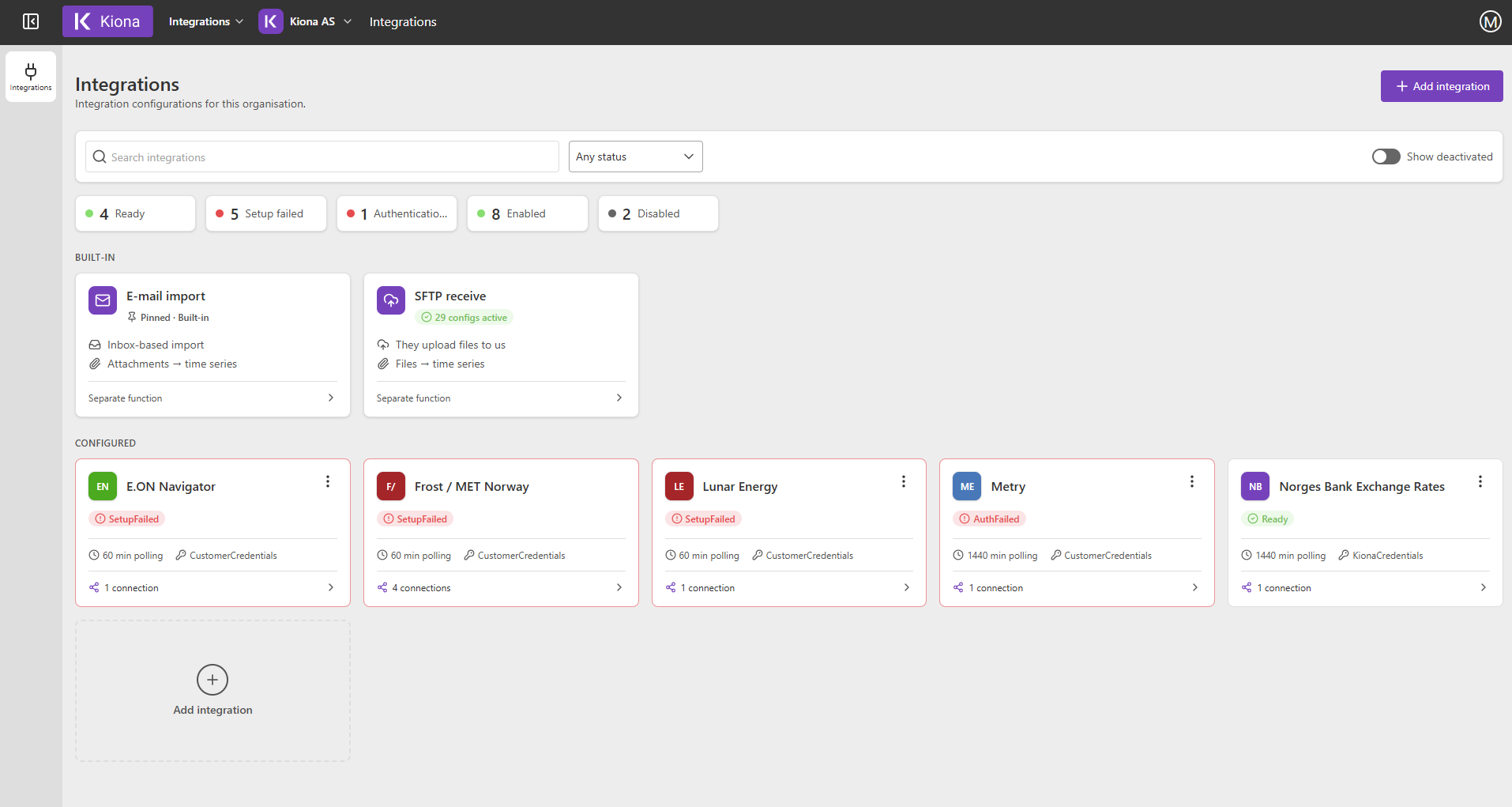
The next generation is faster, more open, and gives users greater control over the setup. Instead of waiting for Kiona to connect a data source or create a structure, users can do more themselves.

The building management market is moving quickly. Customers expect faster insights, stronger data security, clearer environmental reporting and smarter tools that help them act, not just analyse. Energinet's new platform is designed to help users meet those expectations with greater confidence.
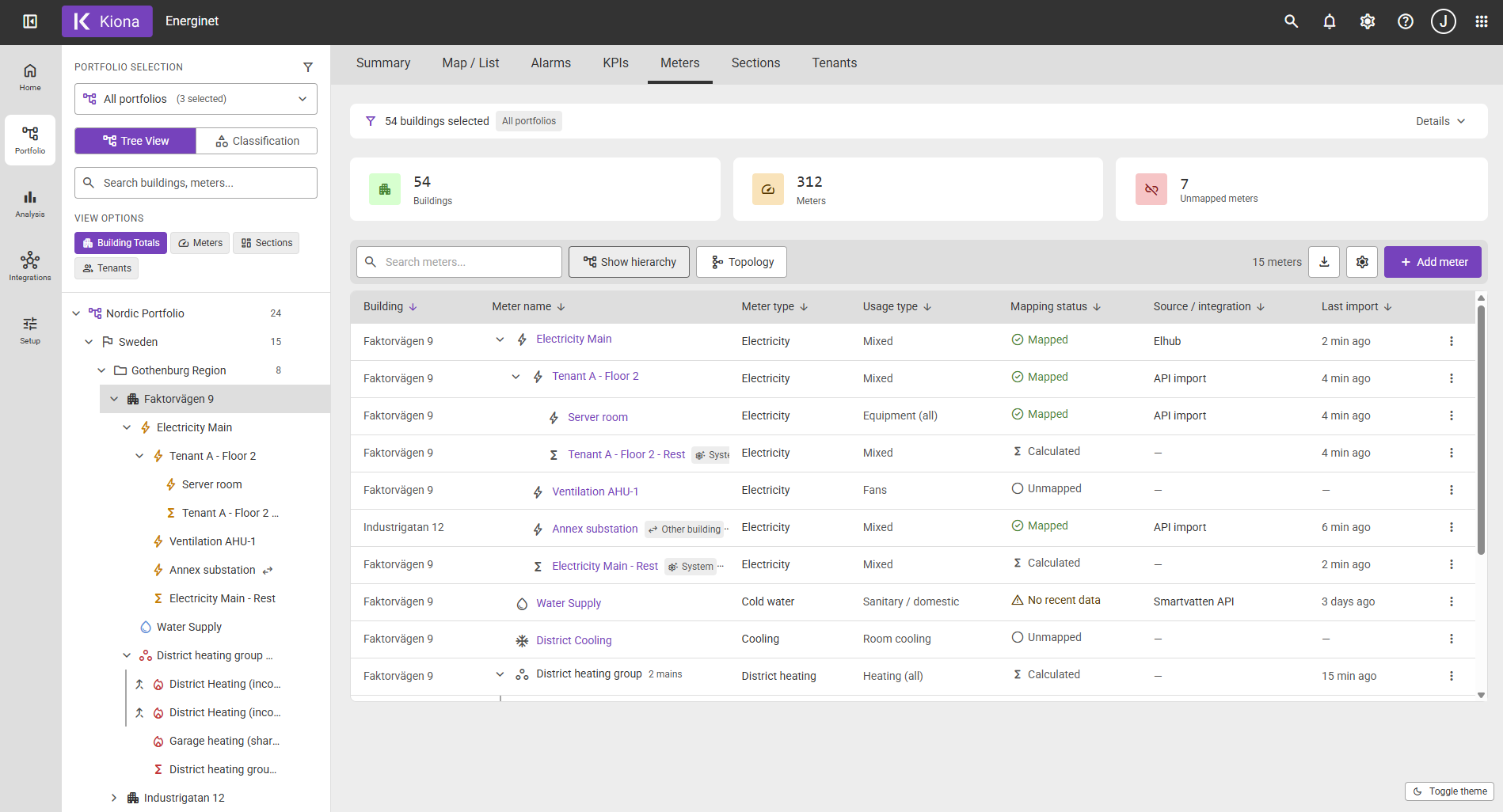
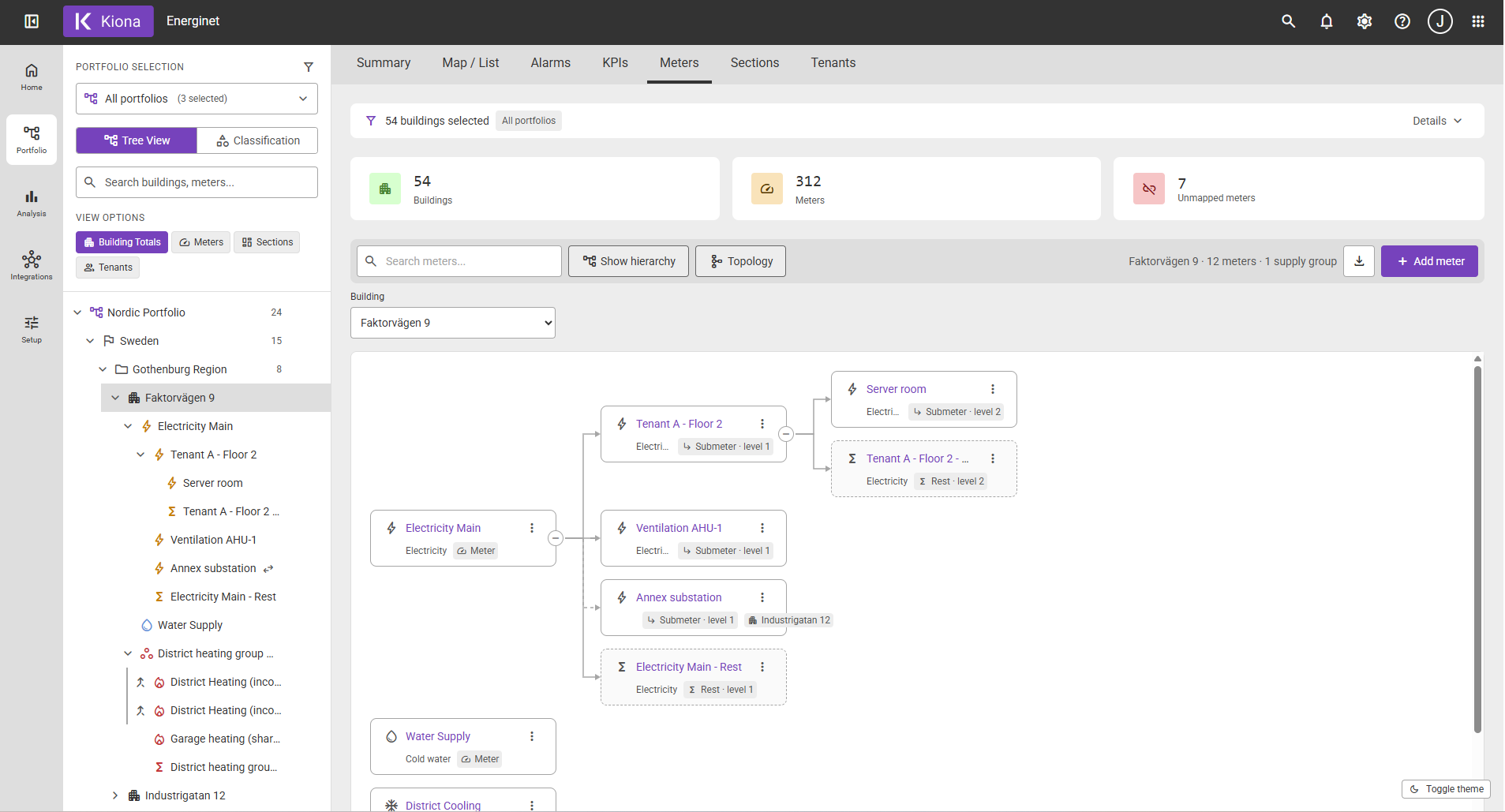
For example, one improvement users will notice is the flexibility in reporting. It will now be possible to process data in a matter of seconds and use categories, labels and flexible selections spanning buildings, meters and property portfolios. This gives users more flexibility than rigid tree structures and makes it easier to compare data, track targets, and report against legal and sustainability requirements.
Why rebuild Energinet now?
The current Energinet platform continues to support thousands of buildings every day and will continue to receive the updates needed to run smoothly. At the same time, the market has changed. To meet future expectations, Energinet needs a foundation built for scale, speed and continuous development.
The current solution is built on technology that does not allow us to scale as we want to in the future. This is a natural move as we transition to a more consistent technology stack across our products.

That means more than easier maintenance behind the scenes. A modern platform enables improved performance, greater reliability and faster delivery of new functionality to users, once the right quality checks are completed.
What users will notice
The goal is simple: remove bottlenecks and make daily work easier. Instead of relying on Kiona for every setup change, users and administrators will be able to configure more themselves, from integrations and data sources to portfolio structures, labels, buildings, meters and reporting scopes.
Product manager for Energinet, Marcus Sundberg, highlights self-service as one of the biggest changes: "Today, too much of what users need goes through Kiona, creating waiting time. In the new Energinet, we want them to be able to onboard, connect, structure and report without unnecessary handovers."
Here are a few improvements users can expect:
- Faster reporting and smoother daily workflows
- More control over integrations, structures and setup
- A clearer experience for both new and experienced users
- Stronger support for energy follow-up, benchmarking and sustainability reporting
- A platform prepared for future AI-supported workflows
AI-ready without the technical jargon
AI-ready does not mean adding a chatbot on top of the old platform. It means preparing the product with well-structured data, scalable technology and smarter algorithms that help users make better decisions faster.
"Think of it as a product expert sitting beside you," says Stig Husby, CTO at Kiona. "Someone who can answer questions and help you to complete tasks without using technical jargon."
By rebuilding the foundation now, we are creating the conditions for that kind of assistance to become a practical part of Energinet – not a disconnected add-on.
No forced switch-over
The next generation of Energinet will run alongside today's platform. There is no abrupt switch-off date. The first release will focus on a solid foundation and selected functionality, followed by training, pilots and a phased migration plan.
"I would rather launch a smaller version that works well than wait for everything to be complete," says Marcus. "We want to be clear from the start about what the first release will include, rather than create the wrong expectations at launch."
This means there is time to prepare. Demos, prototypes, pilots and walk-throughs are already part of the process, giving those closest to the product the chance to respond while the product is still being shaped.
Built to support better decisions
We are transitioning to a cloud-based, AI-ready platform. In the first release, an AI assistant focused on electricity will help users identify trends and anomalies and guide energy managers to the buildings that need attention first, using plain language rather than relying solely on charts and graphs.
Energinet has always been about helping people work with reliable energy and environmental insight. The next generation keeps that purpose, while giving it a stronger platform for what comes next. As expectations around building data continue to rise, users need a product that can evolve alongside them. The next generation of Energinet is being built to do exactly that.
Explore the planned features and rollout timeline.